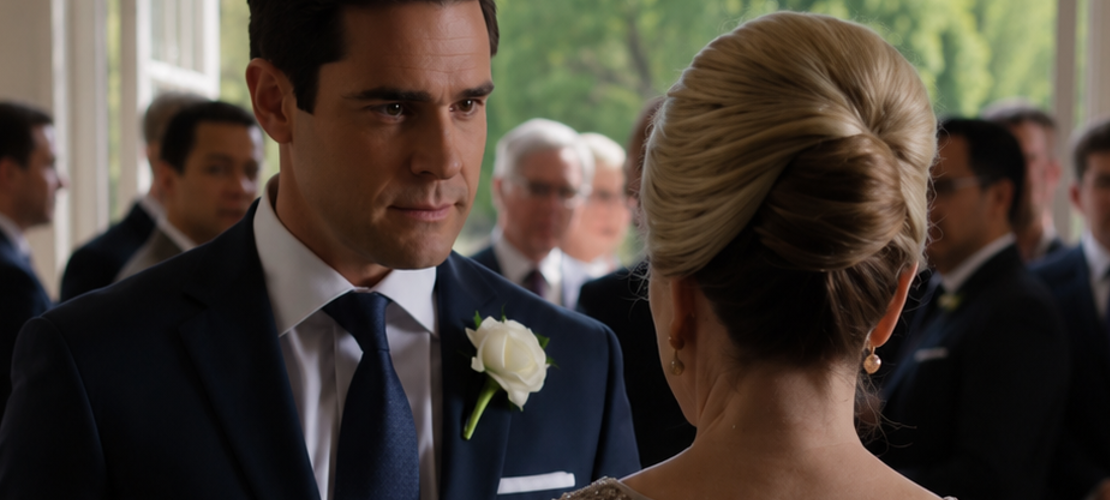
In Front of 200 Guests, My Son Denied Me Entry to My Granddaughter’s Wedding — I Left Without a Word, but One Letter Changed the Entire Story

I went to my granddaughter Clara’s wedding wearing a pink silk dress, my mother’s pearls, and the kind of hope only a grandmother can carry. Clara was my oldest grandchild, the first baby I had held after my husband Robert’s death, and I had loved her like my own child.
For six months, I had helped plan her wedding. My son Richard and his wife Susan visited often, speaking gently about how expensive everything had become and how much they wanted Clara to have her dream day. I believed them. I opened my heart and my wallet.
The venue, the flowers, the gown, the catering, the music—everything was paid for by me. More than one hundred thousand dollars came from the savings Robert had left behind. My name was on the contracts, the invoices, the transfers. I had built that wedding with my own money.
When I arrived at Green Valley Estate, the place looked magical. White flowers framed the entrance, lights shimmered in the trees, and guests smiled as they complimented the celebration. I walked proudly toward the gate, expecting to hug my son.
Instead, Richard stood still.
“Mom,” he said coldly, “what are you doing here?”
I laughed, thinking it was a mistake. “I came to my granddaughter’s wedding.”
He looked at the guest list and said, loud enough for everyone nearby to hear, “Your name isn’t on the list.”
Two hundred people stared. Susan stood beside him, silent, with the faintest smile on her face. No one defended me. No one said I belonged there. In front of everyone, I was treated like an unwanted stranger.
I straightened my pearls and said calmly, “It’s okay, son.”
Then I turned and walked away.
At home, the humiliation burned through me, but I did not cry. I looked at Robert’s photograph and remembered who I had been before everyone decided I was just an old woman with money. After Robert died, I had run his logistics company for ten years. I had managed contracts, employees, taxes, and investments. I knew power, and I knew paperwork.
So I opened the wedding file, gathered every receipt and contract, and called my lawyer, Martin Hayes.
“I was thrown out of the wedding I paid for,” I told him.
The next morning, Martin came over. He confirmed what I already knew: legally, I had paid for everything. But the wedding was not the real weapon.
I opened my safe and showed him two deeds. The apartment Richard and Susan had lived in rent-free for years was mine. The beach house they used every summer was mine too. The car Richard drove was registered in my name. I had also been sending them four thousand dollars every month.
I canceled the transfer immediately.
Then I told Martin what to do. Send an eviction notice for the apartment. Change the locks at the beach house. Demand the car back. Everything would be legal, proper, and final.
Richard and Susan were in Paris on their honeymoon when the money stopped. Their messages began with concern, but only for the missing transfer. Not one apology. Not one question about how I felt after being humiliated.
When they returned, the eviction notice was waiting on their door.
Richard called, shouting. Susan cried in the background. They claimed it was all a misunderstanding. I reminded them that they had turned me away from a wedding I funded.
“You loved what I provided,” I said. “That is not the same as loving me.”
They threatened court, but Martin was ready. The car was returned. The keys were handed over. Their comfortable life collapsed because it had never truly belonged to them.
Clara called later, crying. At first, I told her the truth: she had seen what happened and said nothing. Months passed before she came to my door, broken and divorced. Her husband had only married her because he thought she came from money.
This time, I helped her differently. I gave her a room, a computer, and expectations—not endless money. She began working, learning, and rebuilding herself.
As for me, I sold the apartment, invested wisely, started an animal rescue, took Italian lessons, and finally lived for myself.
When I remember that night now—the pink dress, the pearls, my son telling me I did not belong—I no longer feel shame.
I feel free.


